
Rescheduling Was the Easy Part
The science is settled. The market is still up for grabs.


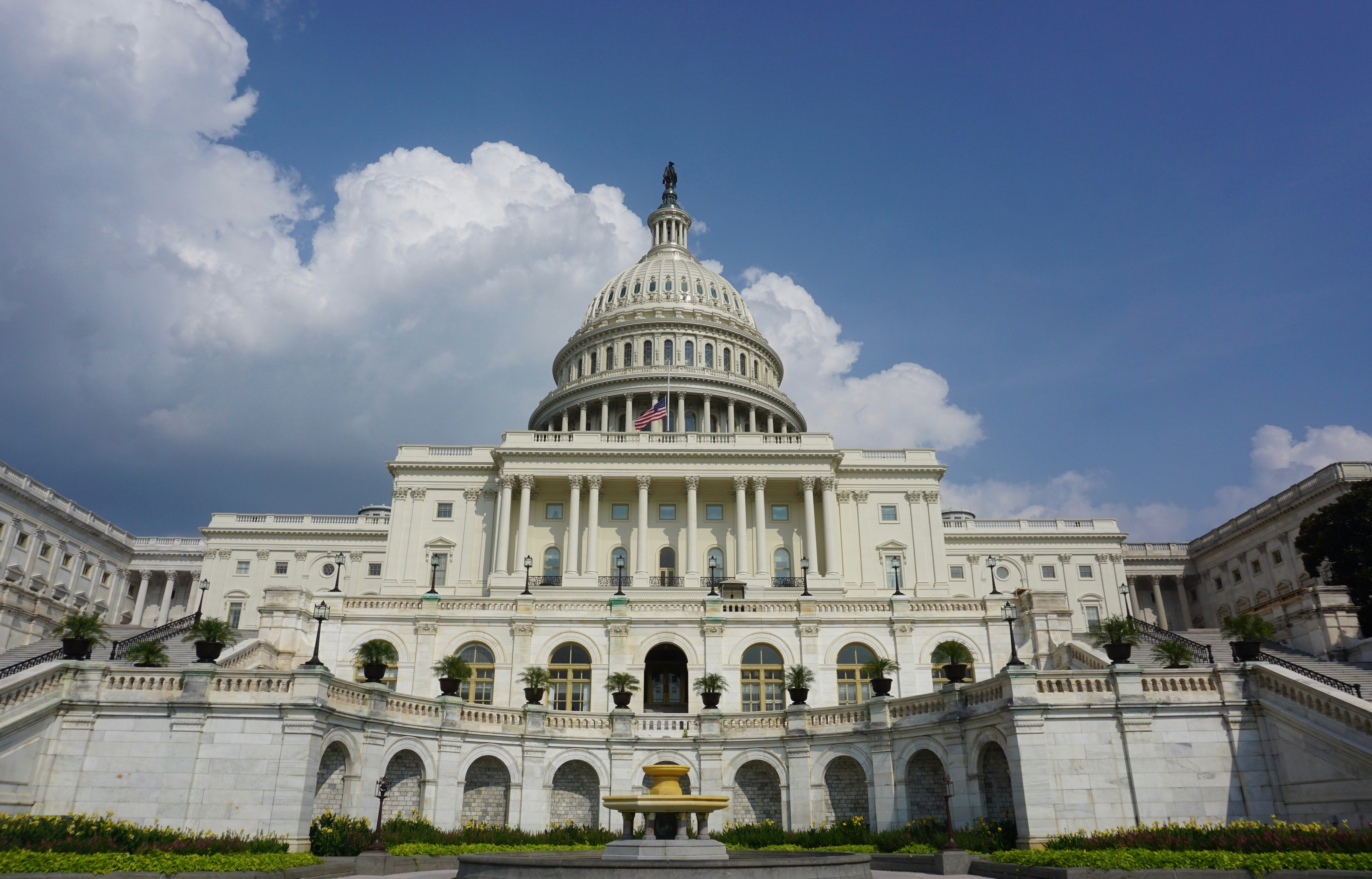
Last month, the President signed an executive order directing federal agencies to complete the reclassification of cannabis from Schedule I to Schedule III, marking a material shift in U.S. drug policy. The order acknowledges accepted medical use and sets in motion the removal of the punitive 280E tax penalty that has distorted state-legal cannabis markets for more than a decade. The change was already underway via a formal rule-making process initiated under President Joe Biden, including public comment and hearings that were scheduled early last year before being postponed.
Patients, researchers, advocates and business owners pushed for this change through organizing and testifying. That work mattered, and the outcome deserves recognition.
But clarity matters too.
Rescheduling does not legalize cannabis under federal law. State medical and adult-use markets remain federally illegal. Criminal records tied to marijuana continue to block access to housing, employment, and public benefits. Immigration consequences, including detention and deportation, would remain unchanged. Businesses and workers operating legally under state law still face incomplete and inconsistent federal protections.
Scheduling decisions function as institutional design. They determine who can participate, which pathways are privileged, and how markets evolve during periods of transition.
The central question concerns how the transition is structured and who it ultimately serves. Experience from state markets shows that partial relief reshapes larger competitive dynamics rather than simply lowering costs. When scale, the ability to absorb regulatory and compliance costs, and access to capital receive priority without parallel protections, consolidation follows. Smaller operators, farmers, workers, and community-based businesses face these pressures first and with the fewest safeguards. Over time, ownership narrows, labor standards weaken, local economic value drains away and consumer choice declines.
These risks are already visible. Major media outlets have reported that senior executives from cannabis megacorporations were present for the rescheduling announcement and in the meetings leading up to it. This access matters because it shapes which concerns are treated as urgent and which are deferred. When commercial interests are well represented and community voices are not, it should surprise no one that tax relief and banking access have advanced ahead of an end to the arrests or sentencing relief. This sequencing is a reflection of these incentives and legal scope. The scheduling process is built to evaluate scientific and medical criteria and is legally barred from considering criminal justice harms, even when those harms define the lived consequences of decades of drug policy.
The choices made next will shape the structure of the national cannabis economy. Federal reform can reinforce state-licensed markets, protect workers, and stabilize systems built through democratic processes. Alternatively, it can also prioritize national pharmaceutical and consumer channels limited to FDA-approved products, where entry requires millions of dollars in capital and bypass state frameworks altogether. Both paths expand legal access. Only one keeps participation from narrowing as legalization advances.
Rescheduling establishes a baseline. The harder work begins after it. Any serious federal framework should be evaluated against clear and measurable outcomes:
Federal marijuana criminalization ends, with automatic expungement and sentence relief delivered without petitions, fees, or delays.
Limits on consolidation preserve local ownership and protect small businesses and craft producers as the industry scales.
Cannabis tax revenue is reinvested through binding mechanisms in communities most harmed by enforcement.
There are also steps federal policymakers can take now. State programs and participants can be shielded from federal interference. Financial guidance can be clarified to reduce risk for banks serving licensed small businesses. Clemency can be issued for people still incarcerated. Immigration and family harms tied to marijuana enforcement can be limited through agency discretion.
Rescheduling settles one question. Cannabis does not belong on Schedule I. Everything else remains undecided. How legalization is structured, who it protects, and who benefits will be determined by what comes next. Delay produces clear winners and losers and early decisions set long-standing boundaries. Left unmanaged, market consolidation accelerates and the ongoing harm will be difficult to unwind.
 | A guest post by
|